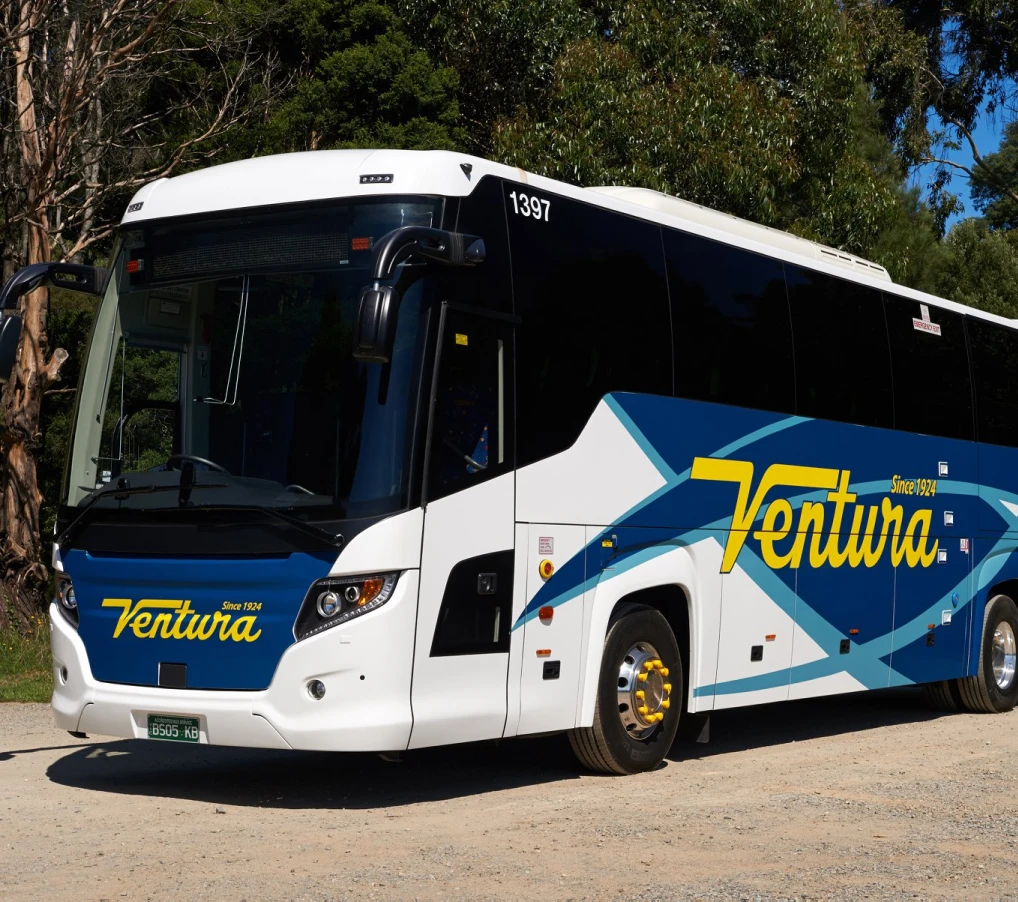
The rumble of the diesel engine, a familiar soundtrack to city life, is slowly being replaced by a quieter, cleaner hum – the sound of zero-emission buses. These electric and hydrogen-powered vehicles are not just a futuristic concept; they’re a rapidly growing presence on our roads, and they’re playing a crucial role in shaping a more sustainable future.
The benefits of zero-emission buses are numerous. Firstly, and perhaps most importantly, they drastically reduce air pollution. Traditional diesel buses emit harmful pollutants, contributing to smog and respiratory problems. Zero-emission alternatives produce no tailpipe emissions, leading to cleaner air and healthier communities. This is particularly vital in urban areas where air quality is often a concern.
Beyond cleaner air, these buses also contribute to mitigating climate change. By reducing our reliance on fossil fuels, we can significantly decrease greenhouse gas emissions, a key driver of global warming. The transition to zero-emission public transport is a significant step towards achieving national and global climate targets.
The adoption of this technology also stimulates innovation and economic growth. The development and manufacturing of electric and hydrogen buses, along with the necessary charging and refuelling infrastructure, create new jobs and investment opportunities. This fosters a green economy and positions Australia as a leader in sustainable transport solutions. Of course, challenges remain. The initial cost of zero-emission buses can be higher than traditional diesel models, and the infrastructure required to support them is still under development. However, government incentives, decreasing battery costs, and advancements in charging technology are making these buses increasingly competitive.
The future of public transport is undeniably electric and hydrogen. Zero-emission buses are not just a trend; they are a fundamental shift towards a cleaner, greener, and more sustainable transportation system. As technology continues to advance and costs decrease, we can expect to see more and more of these silent, eco-friendly vehicles on our streets, driving us towards a brighter future.